What is Helm?
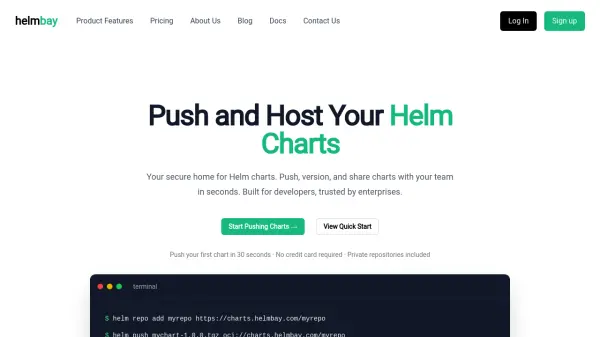
Helm helps manage Kubernetes applications by using Charts to define, install, and upgrade even the most complex Kubernetes applications. Charts are easy to create, version, share, and publish, eliminating the need for copy-and-paste.
Helm is a graduated project in the CNCF and is maintained by the Helm community. It enables users to manage complexity with repeatable application installations, perform easy in-place upgrades and rollbacks, and share charts on public or private servers.
Features
- Manage Complexity: Charts describe even the most complex apps, provide repeatable application installation, and serve as a single point of authority.
- Easy Updates: Take the pain out of updates with in-place upgrades and custom hooks.
- Simple Sharing: Charts are easy to version, share, and host on public or private servers.
- Rollbacks: Use helm rollback to roll back to an older version of a release with ease.
Use Cases
- Deploying and managing complex Kubernetes applications
- Simplifying updates and upgrades of Kubernetes workloads
- Versioning and sharing Kubernetes application configurations
- Rollback to previous releases of Kubernetes applications
FAQs
-
What is Helm?
Helm is the package manager for Kubernetes, helping you manage Kubernetes applications using Charts. -
How do I install Helm?
You can install Helm using package managers like Homebrew, Chocolatey, Scoop, or Snap, or download a binary from the official Helm website. -
Where can I find Helm charts?
You can visit Artifact Hub to explore Helm charts from numerous public repositories.